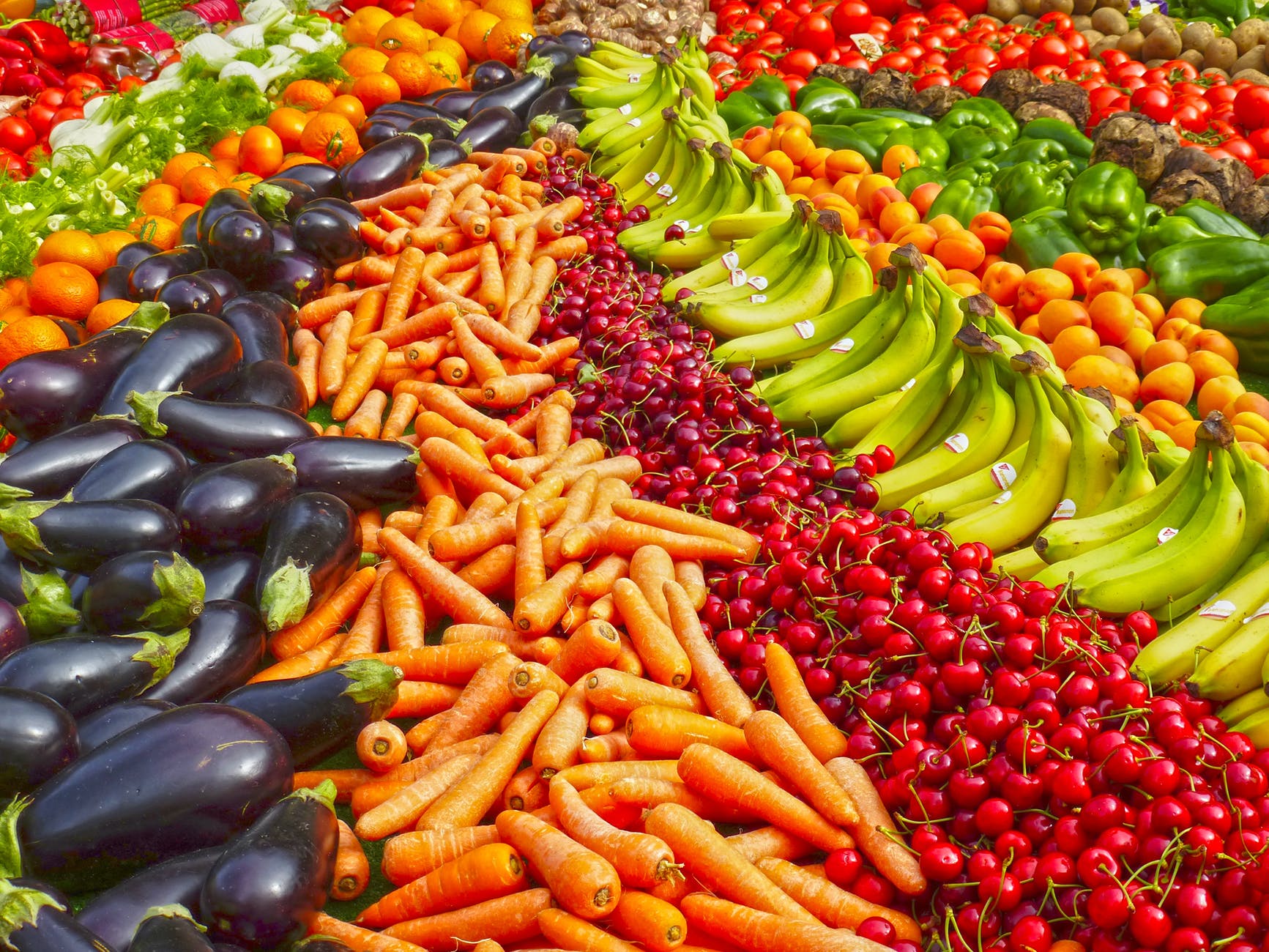
Welcome to my Journey to Healthy Eating and Living
How I lost 70 lbs in less than 7 months without exercise, diet pills, a fad diet or ever feeling hungry!
Less than a year ago I hit rock bottom as I begrudgingly subjected myself to another episode of My 600 Pound Life. It wasn’t by choice; my wife is an ardent fan and experience has taught me the wisdom of the age old maxim, happy wife, happy life.
I sat back, relaxed (popcorn in hand, of course) and prepared to take the emotional equivalent of a swan dive into an empty concrete pool. You see, I had been out of control with my weight for some time now, tipping the scales at over 250 pounds. And each year seemed to bring with it another 5-10 pounds.
After more failed attempts than I could remember, including Weight Watchers, Nutrisystem, Atkins, juicing and every other fad diet I could find, I had just about given up. Was it time to suck it up and just get bariatric surgery? There had to be a better way, didn’t there?
My Epiphany
Later that night, I spent some time racking my brain to figure out why I was struggling so much to lose weight – even maintain it. There were lots of things to point a finger at: bad genes (thanks Mom and Dad!), there was the simple advice I had trouble sticking to (eat less, move more), there was my sedentary lifestyle, and many other would-be culprits. But no matter how many thoughts crossed my mind that night, I kept coming back to one undeniable truth: I was almost always hungry, no matter how much I ate.
I started thinking, what if I started focusing on foods that fill you up instead of converting foods to weight watchers points, gorging on unhealthy fats, or putting myself in torturous situations anytime I had to eat a meal outside of the house, which was pretty much every day. A little over 7 months later and I’ve dropped 70 lbs. With only another 15-20 to go to my ideal weight, it’s been a long time since I’ve looked or felt better.
This blog isn’t about trying to sell you something, or to promote a fad diet. It’s about the simple tweaks I made that made weight loss easy and effortless for me, and a guide for others who want to take their journey to healthy eating and living. My journey started only recently, but is one I plan to continue for the rest of my life. More than anything else, this blog is my invitation to you to take that journey with me.
Satiation
Satiety is defined as the state of being full. Imagine that!
It may not surprise you to learn that some foods are inherently more filling than others.
Think about this simple concept for a moment: on average, a large croissant has 270 calories. In contrast, 15 baby carrots have approximately 35 calories. In other words, you can eat 115 baby carrots before you will have consumed the same amount of calories as you would get from just one large croissant. Which do you think is more likely to fill you up faster? If you said, “baby carrots”, you’re right – and good luck getting to 115. Call me if you don’t pass out after 60 – i’ll be impressed.
By focusing on eating healthy, nutrient-dense foods that have a high satiation score (yes, that’s a real thing) you can eat more (if you choose) but still take in less calories. That was my E = MC(2) moment – not that I’m comparing myself to Einstein, honestly. It gets better though, not only will you start to lose weight, but you’ll feel better, have more energy and maybe even lower your risk for certain chronic diseases.
So what is it that makes certain foods filling, while others leave your body screaming insatiably for more (I’m looking at you Pringles!)? For the answer to that question, we turn to science.
Foods that are filling have a couple of common traits:
- High in fiber: research suggests that foods that are high in fiber may slow down the speed at which you digest foods. More simply put, if you spend more time digesting a food, that’s less time that your body is rooting around for its next meal.
- High in volume: it turns out that foods that are high in water or air can help a lot. Think about watermelon – 92% of each bite is actually water (more about this red crusader later on).
- High in protein: there are plenty of studies that show protein to help satiate you, with it having direct effects on satiety hormones like GLP-1 and ghrelin.
- Low in energy density: I know this sounds like a lot to swallow, and that’s kind of the point. Low in energy density is just a fancy way of saying foods that are really big in volume while being low in calories at the same time.
Notice what isn’t on the above list? Let’s see, among others, you won’t find highly processed/refined foods, foods high in sugar or deep-fried foods.
And it’s really that simple – by switching your focus to foods that are more satiating and nutrient dense, you’ll fill up more quickly. By filling more quickly, you’ll naturally find yourself eating less calories; but here’s the kicker, you’ll also likely get a lot more nutrients, too. Put another way, before you put something in your mouth, ask yourself, what does it have to offer you, and how does it stack up to that large croissant (sorry croissant industry – I promise, I have nothing against you).
You can read more at: https://www.webmd.com/diet/obesity/features/foods-that-curb-hunger#1
One last note before we get started. I could have opted to group these foods together, to make the list more digestible, but that’s not really the point. The point is to show you just how many endless options you have. Even more importantly, when you start to think about all the different ways you can combine them, the options become, well, overwhelming.
So what are these incredible foods that fill you up, flood your body with vitamins and nutrients and help combat chronic diseases? Well, they probably won’t surprise you, but let’s get started, shall we?
1. Broccoli
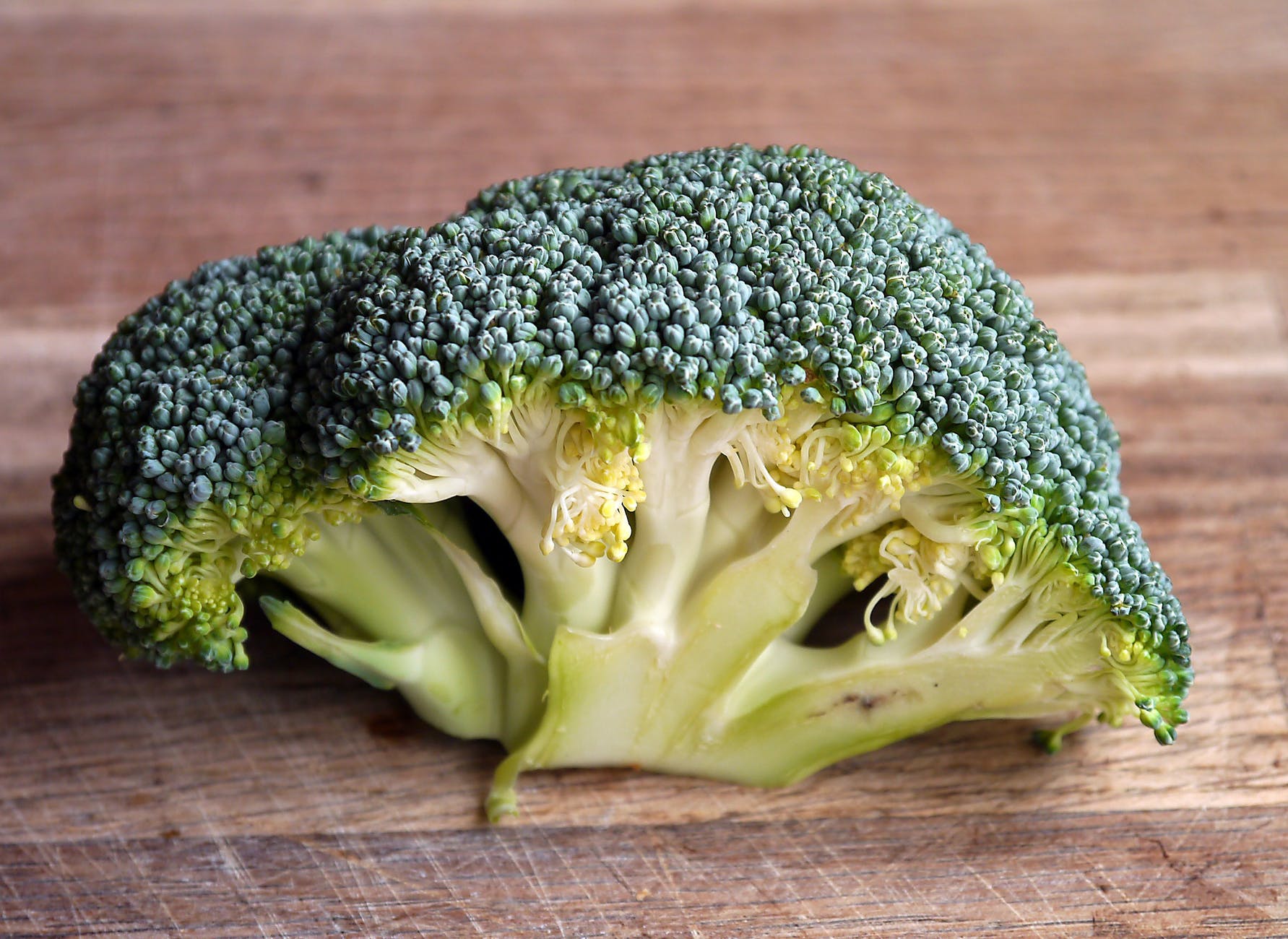
Yep, take a look at it in all its greenish wonderfulness! Do you like just the florets, or the stem, too? Bake it, broil it, saute it, steam it, roast it, doesn’t matter what you do to it (well, it matters a bit, but we’ll get to that later).
Broccoli, is incredibly filling. Did you know that 89 grams of broccoli – about a cup – clocks in at just 30 calories! That’s a heck of a deal (at least if you think back to our sad 270 calorie croissant).
But wait, it gets better. Not only is it low in calories, but it’s rich in nutrients including fiber, iron, potassium, vitamin C and vitamin K. And it’s got protein, too.
Dear Broccoli, is there anything you can’t do? You can read more about this heroic food at: https://www.healthline.com/nutrition/foods/broccoli.
2. Cauliflower
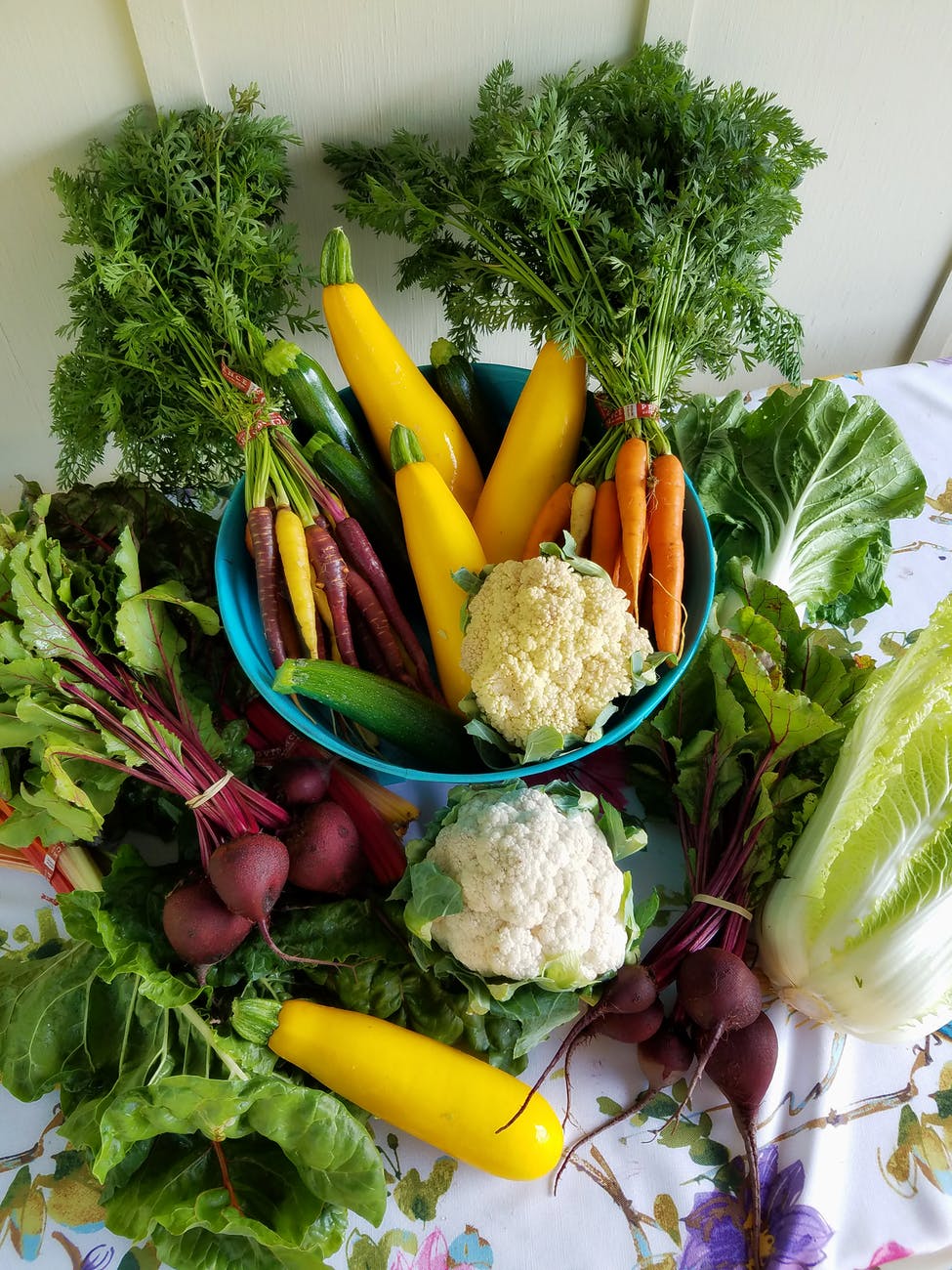
Some people call it Broccoli’s paler cousin. They don’t – I just made that up. But in all seriousness, they should devote a statue to this vegetable. At 107 grams (or 1 cup) cauliflower will net you approximately 27 calories (and if you’re doing the math, that’s 10 cups of cauliflower – time for a Thanksgiving-style belt loosening – instead of just one large croissant).
Cauliflower is also nutrient dense – it’s high in fiber, vitamin C, vitamin B, folate, potassium, vitamin K, choline and so much more. Did I mention apart from being delicious, it’s also notoriously versatile. You can use it to make rice, sushi, buffalo cauliflower (after a well-made dish of this and you’ll be saying buffalo chicken, what?!?), cauliflower steaks and plenty more.
You can read more about this heroic food at: https://www.healthline.com/nutrition/benefits-of-cauliflower#section1
3. Zucchini
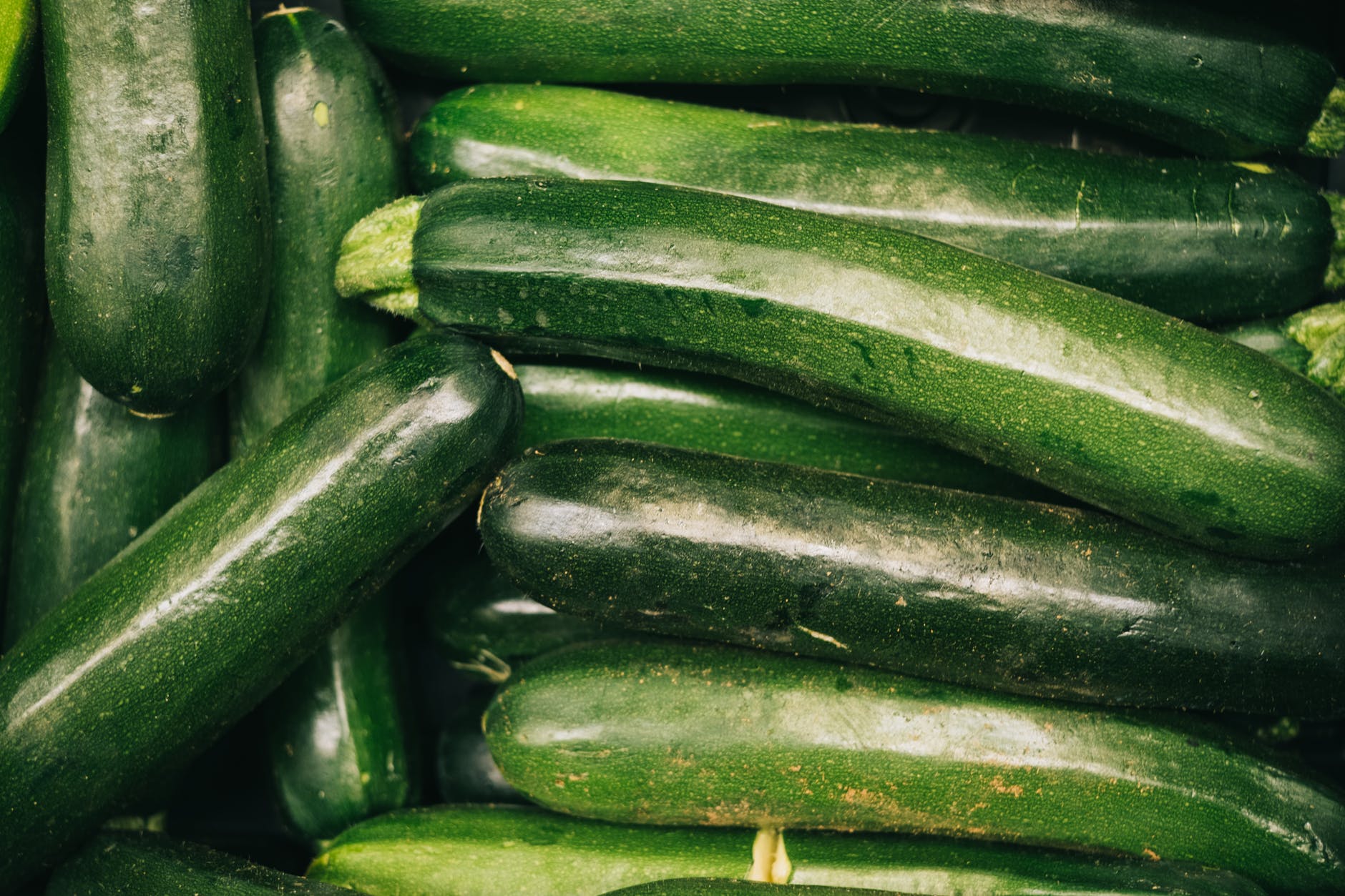
“Zucchini, I just ate a veg named zucchini. It was green and it was round, and it sprouted from the ground, it’s true.” Sorry, flashback to a Sesame Street song my daughter used to listen to.
Down to business now. One medium zucchini, at 196 grams, will provide you with only 33 calories. While you skimp on calories, once again your body will be treated to a veritable smorgasbord of vitamins, minerals and nutrients – vitamin k, folate, magnesium, vitamin A, and many more.
In the creative department, zucchini is now slouch either. Have an urge for pasta but not interested in the calories that come with it? Don’t worry – zucchini has you covered. Simply get a spiralizer and you’ll be parting ways with your pasta for some much healthier and more satisfying zoodles!
If you want to read more about the health benefits of this miracle of nature, check out: https://www.healthline.com/nutrition/zucchini-benefits
4. Bell Peppers
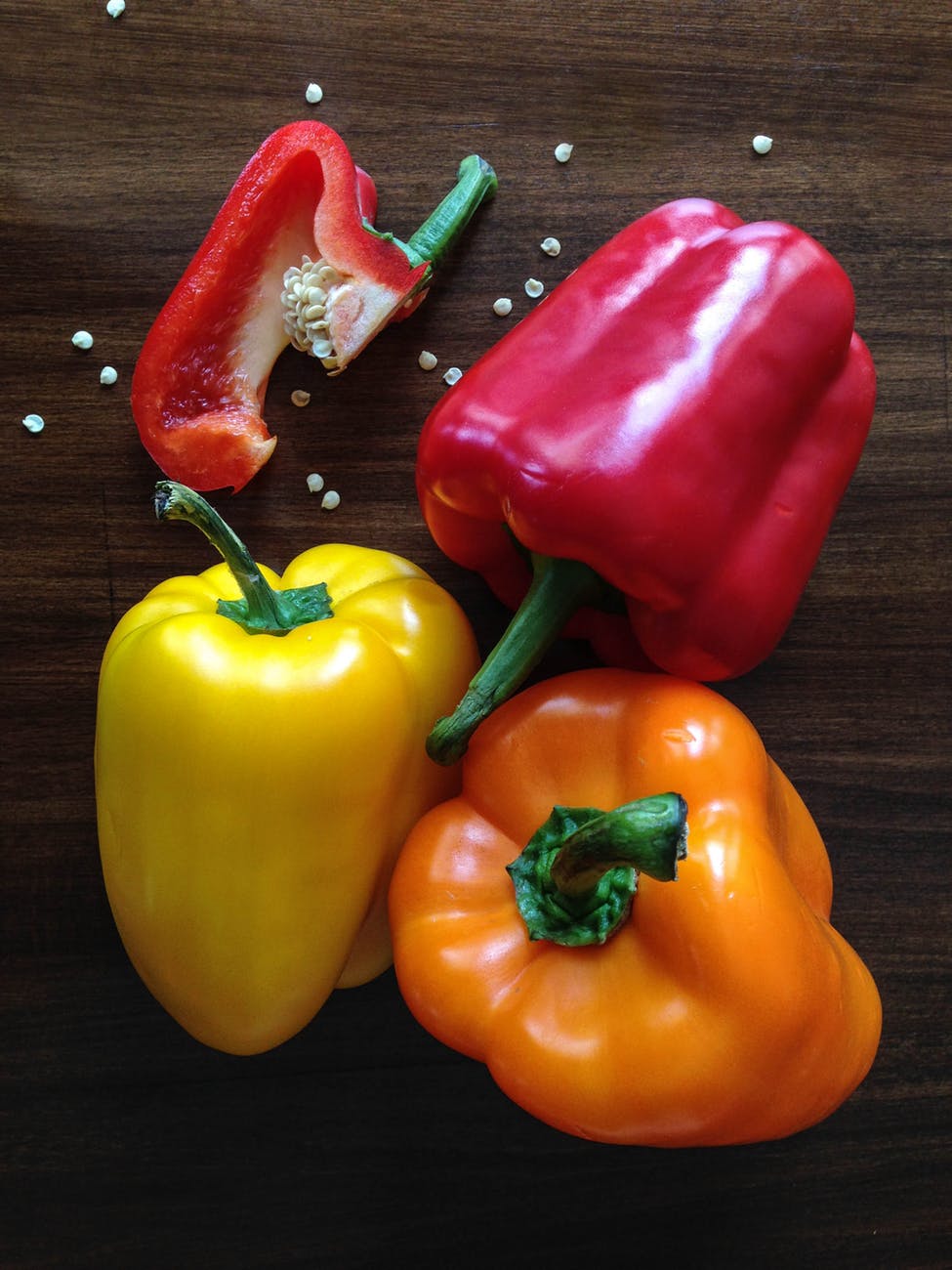
Red, yellow, orange and green. I think I even saw a purple one at the supermarket a few months back. No, I’m not talking about the colors of the rainbow – I’m talking about bell peppers.
One hundred (100) grams of a bell pepper will cost you roughly 31 calories. And get this, approximately 92% of a bell pepper is composed of water (remember we talked about foods with high water or air content). Even more stunning, just one bell pepper has as much as 169% of the reference daily intake for vitamin C. Bell peppers are also rich in lots of other nutrients, vitamin B6, vitamin K1, potassium, folate, vitamin E and vitamin A.
If you want to learn more about the nutritional benefits of bell peppers, stroll on over to: https://www.livestrong.com/article/407889-what-are-health-benefits-of-bell-peppers/
5. Lean Proteins
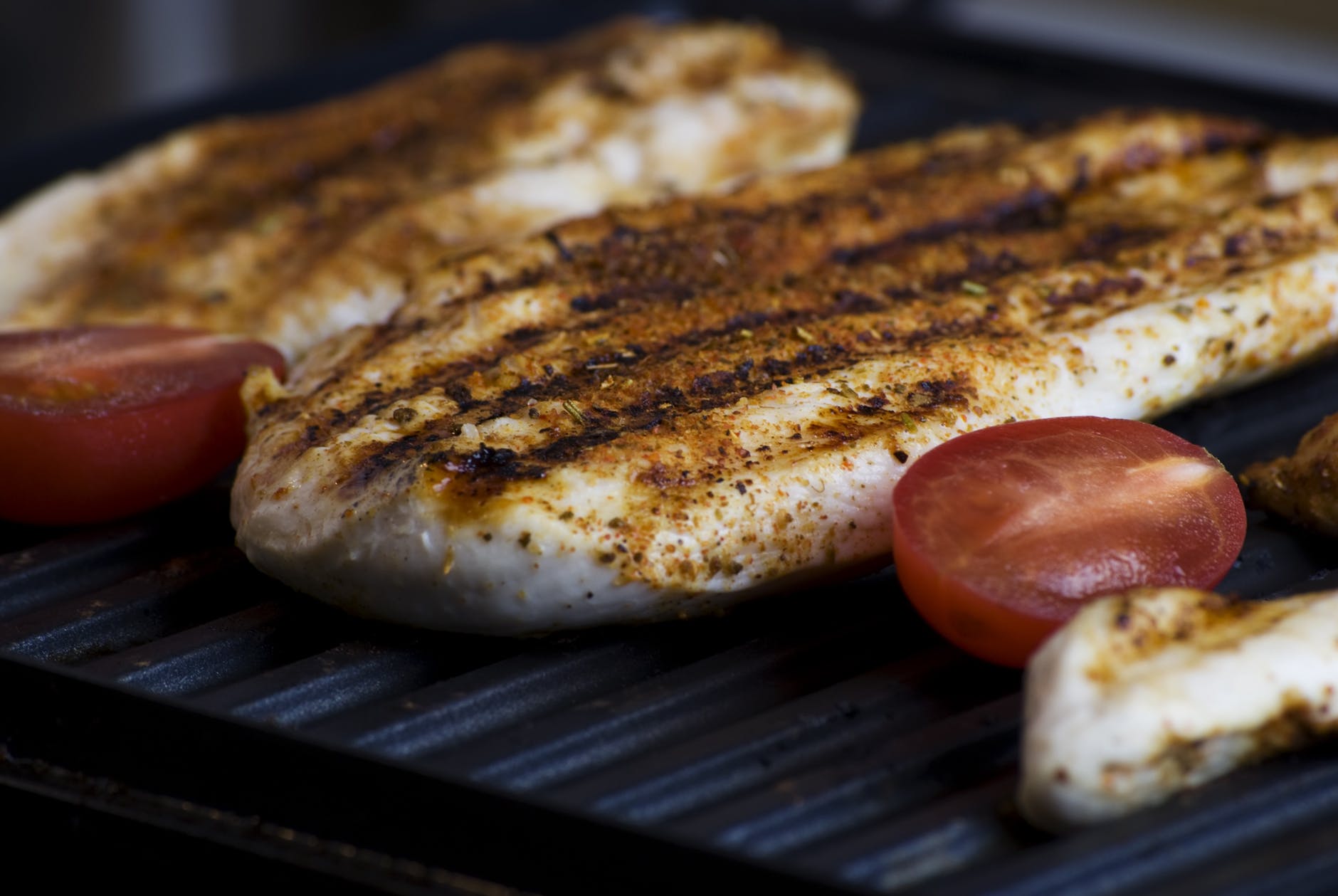
Lean meats, such as chicken or turkey, are high in protein, and can also help you achieve satiation.
According to one study, people who ate high-protein meats for lunch ate 12% less at dinner than those who had a high-carbohydrate meal for lunch. With that said, there is a growing body of research suggesting that it may still be preferable to limit the amount of lean meat you consume.
If you want to learn more about the nutritional benefits of lean meats, please visit: https://www.diabetes.co.uk/food/lean-meat.html.
6. Cottage Cheese
TBD
7. Nuts (Almonds, Walnuts, Pistachios, Pecans)
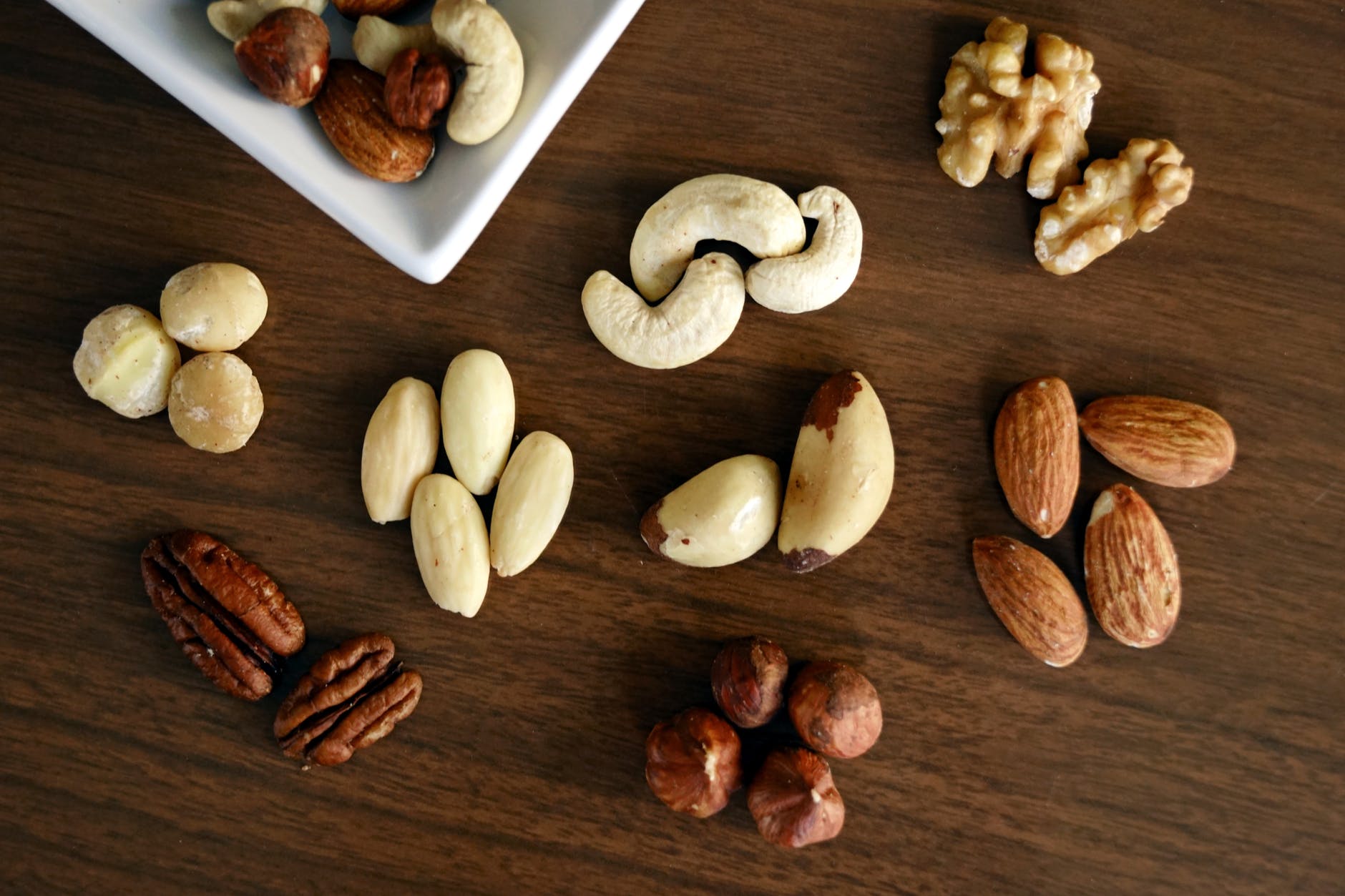
TBD
8. Beans and Legumes
TBD
9. Eggs (Just the Egg Whites?)
TBD
10. Lean Proteins
TBD
11. Boiled White Potatoes
TBD
12. Whole Grains
13. Tofu, Seitan and Tempeh
14. String Beans
15. Avocados ( … from Mexico?)
16. Chili Pepper
17. Coffee and Tea
18. Chia Seeds
19. Brussels Sprouts
20. Oatmeal
21. Greek Yogurt and Skyr
22. Grapefruit
23. Salmon
24. Broth-Based Soups
25. Air Popped Popcorn
26. Brown Rice
27. Quinoa
28. Spinach
29. Kale
30. Sweet Potatoes
31. Cherries
32. Blackberries
33. Raspberries
34. Apples
35. Trout
36. Turnips
37. Swiss Chards
38. Mushrooms
39. Watermelon
40. Nut Butters
41. Spaghetti Squash and other squashes
42. Pineapple
43. Mango
44. Banana
45. Onions
46. Beets
47. Barley
48. Rye
49. Farro
50. Oats
Eating Slow
TBD
Water
TBD
Making water even more exciting
TBD
Your scale is your friend
TBD
 Journey to Healthy Eating and Living